Usually fix
Tire, brake, throttle, display, charging port, or loose-connection issues tend to be predictable and low-risk.
Check typical costs →Decision guide
You can make a clean decision in under two minutes by focusing on cost, risk, and what tends to fail next. The simple rule is: repairs are usually worth it when the all-in cost stays under about half the price of a comparable replacement.
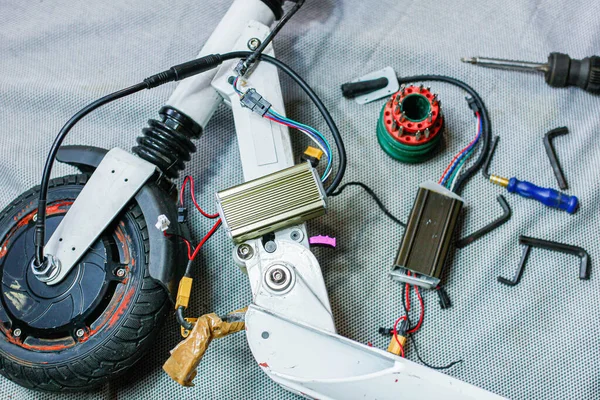
Tire, brake, throttle, display, charging port, or loose-connection issues tend to be predictable and low-risk.
Check typical costs →If it might be battery or controller related, pause and diagnose before ordering parts. Costs stack fast when you guess.
Diagnose with Fix Pixie →Battery replacement on an older scooter, controller plus wiring issues, or frame damage often crosses the point of diminishing returns.
See the cost drivers →These are practical patterns. Actual costs vary by model, availability, and whether you DIY or pay labor. Battery and controller issues are the two that most often flip the decision.
| Component / problem | Why it matters | Decision impact |
|---|---|---|
| Tube / tire / brake | Wear items. Predictable repair. Low risk. | Fix |
| Charging port / charger | Can be simple, but sometimes masks battery/controller issues. | Depends |
| Controller / wiring | Diagnosis is the time sink; multiple failures can overlap. | Depends |
| Battery | One of the most expensive parts; older cells reduce future reliability. | Often replace |
| Frame damage | Safety issue. Repairs are rarely cost-effective. | Replace |